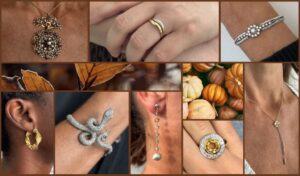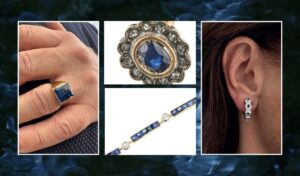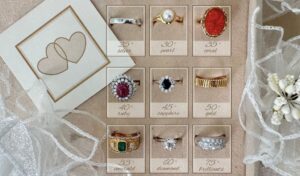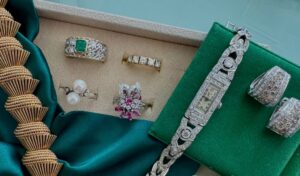
Who said that style trends are born only on the runways of Milan or Paris? Sometimes, the most iconic and coveted pieces of jewelry in history are born from deep emotions and indelible memories… such as mourning jewelry. Masterpieces of fine goldsmithing that, for centuries, have combined the memory of loved ones with the elegance of gold.
But how did they come to be, and why do they captivate collectors and jewelry lovers around the world today?
What is mourning jewelry, and what is its significance?
Mourning jewelry is crafted to commemorate the passing of a loved one or to celebrate the eternal bond with a cherished person. Also known as commemorative or sentimental jewelry, it is not created with a somber intent, but rather as a keepsake of memories.
Over the centuries, wearing a ring, a photo charm, or a necklace with a pendant dedicated to someone who was no longer with us was the most intimate and elegant way to always carry a piece of one’s family history with you.
From “memento mori” to the Renaissance: How Did the First Commemorative Jewelry Come About?
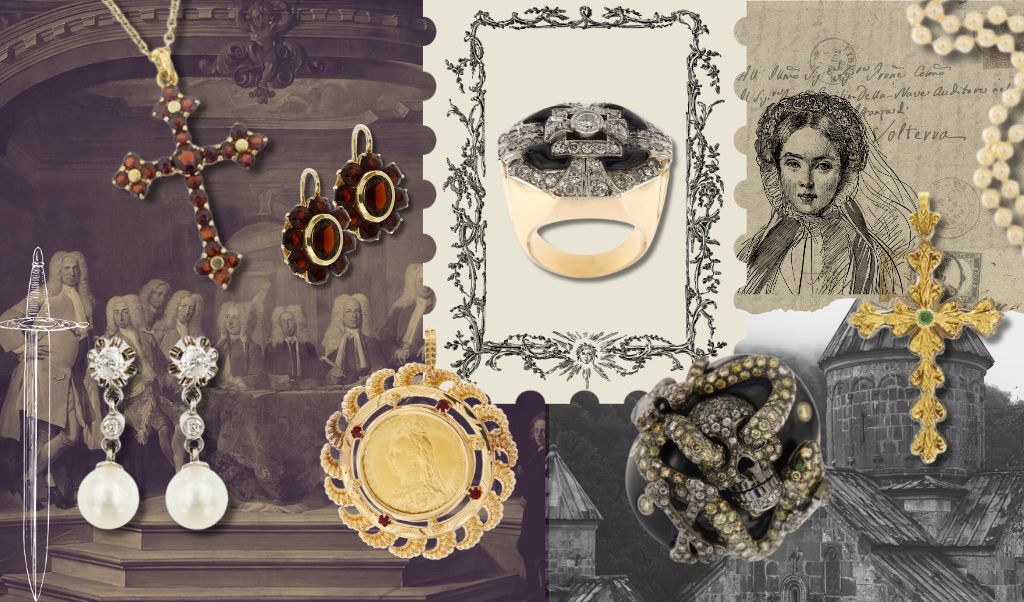
To understand the origins of this tradition, we must go back to the Middle Ages and the Renaissance. It was during this period that the concept of “memento mori” became widespread, interpreted by goldsmiths as jewelry adorned with skulls, hourglasses, or skeletons engraved in gold.
Symbols that we now associate with Halloween, but which at the time had a deeper meaning: a call to live each day with virtue, passion, and gratitude for life’s precious gifts.
Queen Victoria and the Fashion of Victorian Mourning Jewelry
If there is one historical figure who transformed commemorative jewelry into a true cultural phenomenon, it is undoubtedly Queen Victoria of England.
What iconic pieces of jewelry did Queen Victoria own?
After the untimely death of her husband Alberto in 1861, the Queen decided to wear black for the rest of her life. To complete her outfits, Victoria mandated the exclusive use of Victorian mourning jewelry at court. Her gold brooch set with black enamel, onyx, and pearls (a symbol of discreet tears) stood out, as did medallions bearing portraits of the prince, jewelry featuring garnets and amethysts, and gold sets adorned with jet (a deep black fossilized stone).
Thanks to her, the piece became a must-have symbol of elegance for the European nobility of the 19th century, demonstrating how jewelry can transform grief into a timeless art form.
From Vintage Jewelry to Today: The Rediscovery of Sentimental Pre-Loved Jewelry
Today, the desire to wear a one-of-a-kind piece rich in meaning remains. Many of today’s trends—such as domed band rings, the use of dark gemstones, and a preference for vintage and antique pieces—draw inspiration from the commemorative and Victorian jewelry of that era.
Can I wear jewelry to a funeral today?
The answer is yes, as long as you follow the rules of understated elegance. Modern etiquette and official guidelines suggest opting for simplicity: pearl strands, discreet stud earrings, gold wedding bands, or jewelry with dark stones.
A stylistic legacy that can still be seen in the solemn ceremonies of contemporary royal families, where gold jewelry set with pearls and dark gemstones is worn, just as it was at Queen Victoria’s court.
Where can I buy mourning jewelry and personalized jewelry?
If you’re fascinated by vintage jewelry or want to give your grandmother’s gold jewelry a new lease on life, come visit us in-store or explore our collection online. Let your most cherished memories shine with the authenticity of gold!